
Home Blog Page 75

Why We Need More Women In Top Management Roles

Women have been making great strides in the business world in recent years. More and more women are starting their businesses and reaching the top levels of management in major corporations. 

There are many reasons why women make great leaders. They are often more collaborative than men, more focused on relationship building, and more likely to take a holistic view of problems. 

In addition, women are often more attuned to communication and emotional intelligence, two essential leadership skills. 

Despite all of these advantages, women are still underrepresented in top management positions. Only 5% of Fortune 500 companies have female CEOs, and women hold only 16% of board seats. 

There are several reasons for this discrepancy, but the good news is that things are slowly changing. 

This blog post will explore the advantages of having women in top management positions and why we need more women in leadership roles.

The Importance Of Women In Top Management

Despite considerable progress in recent decades, women are still underrepresented in top management positions. This is not only an issue of fairness but also of effectiveness. Studies have shown that organisations with a higher proportion of women in top management perform better financially and are more innovative.

There are many possible explanations for this, but one is that women tend to be more collaborative than men and are more likely to develop networks within and outside of their organisations. This gives them a broader perspective and allows them to see opportunities that their male counterparts may miss.

So why are there still so few women in top management positions? One reason may be that the selection criteria for these positions tend to favour male qualities such as assertiveness and aggression. Another possibility is that women face greater obstacles in mentorship, networking, and sponsorship opportunities. 

Gender Balance In The Workplace

For decades, the workplace has been dominated by men. But in recent years, there has been a shift towards an equal gender balance. More and more women are joining the workforce and taking on leadership roles.

However, there is still a long way to go before the workplace is truly equal. Women are often underpaid and undervalued in the workplace and still face significant barriers to progress. But as the number of women in the workforce continues to grow, we can hope that the workplace will become a more equal and balanced place for everyone.

The Benefits Of Women In Top Management

There is a growing body of evidence that organisations perform better when they have more women in top management positions. A recent study by McKinsey & Company found that organisations in the top quartile for gender diversity are 15% more likely to have financial returns above their respective national industry medians.

There are many reasons why having more women in top management positions can benefit an organisation. Women tend to be more collaborative than men and are more likely to take an inclusive approach to decision-making. Additionally, women are often more empathetic than men, which can help manage difficult situations.

Organisations that want to improve their performance should consider increasing the number of women in top management positions. By doing so, they can reap the benefits of having a more diverse and effective leadership team.

The Challenges Of Women In Top Management

Despite great strides in gender equality, women are still underrepresented in top management positions across the globe. A recent study showed that women hold less than six per cent of all CEO positions at S&P 500 companies. This discrepancy is even more pronounced in other industries.

So what’s causing this lack of representation? There are several factors, including the “glass ceiling” effect and the challenges of balancing work and family life. Additionally, women often face discrimination and sexual harassment in the workplace.

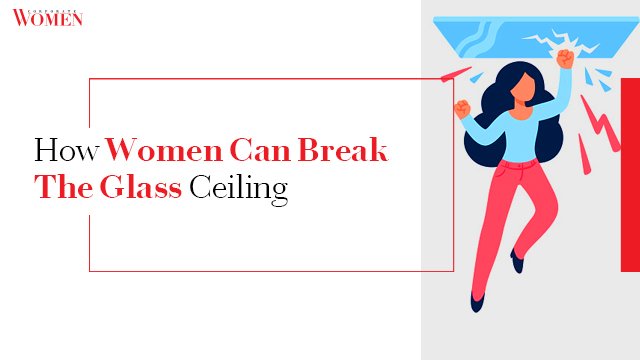
Despite these challenges, more and more women are breaking through the glass ceiling and achieving success in top management positions. With more women in leadership positions, we can start to create lasting change and close the gender gap in the workplace.

The Future Of Women In Top Management

There has been a growing trend of women in top management positions in recent years. This positive trend is likely to continue in the future as more and more women enter the workforce and aspire to leadership roles.

There are many benefits of having women in top management positions. Women are often more collaborative than men and tend to have a more diverse perspective. This can lead to more innovative and creative solutions to problems. Additionally, women are often more empathetic and attuned to the needs of others, which can make them better leaders.

The future of women in top management is looking bright. As more women enter the workforce and aspire to leadership roles, we can expect to see more women in top management positions in the years to come.

Conclusion

In conclusion, women should be in top management because they are just as capable as men and often have different perspectives that can benefit businesses. Additionally, having more women in top management positions can help to improve the gender balance in the workplace, which can help to create a more positive working environment for everyone. To stay up-to-date on the latest in gender equality in the workplace, subscribe to our newsletter and follow us on Social media.

Why Women Make Great Business Leaders?

There are a lot of discussions these days about the role of women in the workforce. And while there are still many industries in which women are underrepresented, there is no denying that women have made great strides in the business world. More and more women are becoming successful business leaders. 

But what makes women good business leaders? There are several qualities that are essential for any good leader, and women tend to excel in many of these areas. Here are some of the reasons why women make great business leaders:

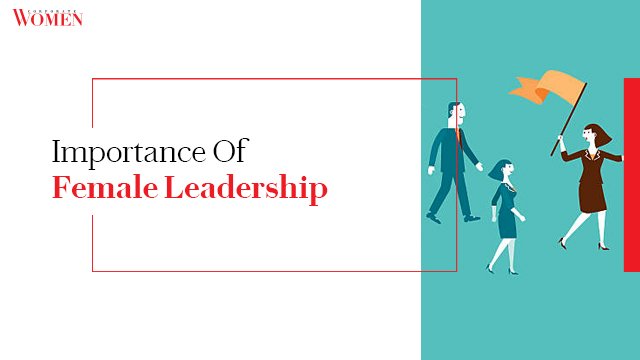
Women In Leadership Roles 

There is no doubt that women have come a long way in the business world. In the past, women were primarily excluded from leadership roles and were not taken seriously as business professionals. However, times have changed, and women are now leading some of the world’s most successful companies.

Despite this progress, there is still a long way to go before women are truly equal to men in the business world. Women continue to be paid less than men, are less likely to be promoted to leadership roles, and are often excluded from networking and business opportunities. But slowly and surely, things are changing. As more and more women enter the workforce and take on leadership roles, we are slowly but surely moving towards a more equal and just business world.

Women As Strong Communicators 

In today’s business world, strong communication skills are essential for success. And yet, women are often underestimated as communicators. This is a big mistake. Women are often natural communicators who can build relationships and create connections.

When it comes to communication, women have a few key strengths. First, they are great at active listening. This means they are not only good at hearing what is being said but also at understanding the underlying message. They are also experts at reading nonverbal cues, which can give them a better understanding of the situation.

Additionally, women are typically very good at expressing themselves.

Women And Multitasking 

For years, women have been told that they are good at multitasking. This stereotype has been used to justify the fact that women often have to juggle multiple responsibilities at home and work. But is this really true? Do women really excel at multitasking, or is this just a myth?

The answer is not clear. Some studies have shown that women are better at multitasking than men, while other studies have found no significant difference between the sexes. The truth is, we don’t really know for sure. However, we know that multitasking is not always a good thing. In fact, recent research has shown that multitasking can actually lead to decreased productivity and decreased accuracy.

So, the next time you’re feeling overwhelmed by all the things you have to do, take a step back and focus on one task.

Women And Problem-Solving Skills 

While it is a common stereotype that women are not as good at problem-solving skills as men, several studies have shown that this is not the case. In fact, women are often better at problem-solving than men due to their ability to think more creatively and see problems from multiple angles.

So why do women still face obstacles when it comes to solving problems? The answer is likely due to the fact that women are often not given the same opportunities as men to showcase their skills. When it comes to problem-solving, women must be given a chance to shine.

The Advantages Of Having A Woman As Your Boss

A recent study found that women in leadership positions are more likely to promote women and help them advance in their careers. This is good news for women who are looking to move up the corporate ladder.

But what are the specific advantages of having a woman as your boss? Here are a few: 

  • They’re more likely to give you honest feedback and help you improve
  • They’re more likely to mentor and sponsor you
  • They’re more likely to advocate for you when it comes time for promotions

So if you’re looking to climb the corporate ladder, it might be helpful to have a woman in charge.

To Wrap Things Up

In conclusion, women make good business leaders because they are typically more risk-averse and have better interpersonal skills. Women also tend to be more empathetic and better understand emotional intelligence, both of which are important for effective leadership. To learn more about women in leadership, subscribe to our newsletter.

The Essence Of Being A Woman

Being a woman is not only about being born with certain physical characteristics, but it is also about having certain mental and emotional traits. These traits are what make up the essence of being a woman.

One of the most important aspects of being a woman is the ability to be compassionate. This trait is what allows women to care for others and nurture them. It also allows women to be strong when they need to be.

Another important aspect of being a woman is the ability to be loving. This trait is what allows women to build strong relationships with others. It is also what allows women to be caring and nurturing.

Finally, being a woman is also about being able to be beautiful. This trait is what allows women to appreciate the beauty in others. It is also what allows women to be confident and stylish.

So, what is the essence of being a woman? It is about being compassionate, loving, and beautiful. 

1. What Is The Essence Of Being A Woman?

The question of what it means to be a woman has been asked throughout history and across cultures. There is no one answer to this question, as each woman experiences life in her own unique way. However, there are some common themes that many women share when it comes to what it means to be a woman.

For example, many women feel a strong connection to their families and friends. They also tend to be caring and nurturing by nature. Women also tend to be highly intuitive and in tune with their emotions. And finally, women often have a great sense of strength and resilience, despite the challenges they may face in life.

2. The Importance Of Family And Friends

In our fast-paced and hectic world, it’s easy to lose sight of the people who matter most to us. We get so caught up in our work and our daily lives that we often forget to nurture our relationships with our family and friends. But the truth is, these relationships are the foundation of our happiness and well-being.

Family and friends provide us with love and support, and they are the people we can count on when things get tough. They make us laugh, help us when we’re down, and give us a shoulder to cry on. They are the people who know us best and accept us for who we are.

So next time you’re feeling stressed or overwhelmed, take a step back and remember the importance of family and friends. Spend time with the people you love and cherish, and let them know how

3. Building Relationships

Relationships are a key part of life. Whether you’re trying to build a strong relationship with a romantic partner, a family member, or a friend, it’s important to put in the effort to make it work. There are a few key things you can do to build strong relationships:

  • Spend time together regularly.
  • Get to know each other.
  • Be there for each other.
  • Communicate openly and honestly.
  • Seek help when needed.

If you put in the effort to build strong relationships, you’ll be rewarded with meaningful connections that will enrich your life.

4. Caring For Others

Caring for others is one of the most important things we can do in life. It is an act of love and compassion that can make a real difference in the lives of those we care for.

Women have always been natural caregivers. Throughout history, women have taken on the primary role of caring for their families and communities. This is still true today in many parts of the world. In fact, women are more likely than men to be the primary caregivers for their children, parents, and other relatives.

Caring for others can be a rewarding experience. It can fill us with a sense of purpose and satisfaction. But it can also be challenging, especially if we are not used to it. It can be difficult to balance our own needs with the needs of those we are caring for.

5. Being Self-Confident

It is said that self-confidence is the key to success. After all, if you don’t believe in yourself, how can you expect others to believe in you? But what does it really mean to be self-confident?

Self-confidence is about having faith in your abilities and yourself. It is about knowing that you can achieve your goals and that you are worth achieving them. It is also about being accepting of yourself, even with your flaws and imperfections.

Self-confidence is something that you can build over time. If you don’t have it, don’t worry – there are plenty of ways to develop it. Just remember that it is an important part of your journey to success.

Parting Words

The essence of being a woman is not narrowly defined by biology or predetermined by social roles. Rather, being a woman is a complex and dynamic experience that is shaped by a variety of factors, including but not limited to biology, society, culture, and personal identity. This conclusion underscores the importance of understanding the multifaceted nature of womanhood in order to create a more inclusive and empowering definition of what it means to be a woman.

Women In The Corporate Lifestyle

The corporate lifestyle for women is a term used to describe how women are expected to behave in a corporate setting. It is a set of standards typically set by companies, and women are expected to uphold them.

The corporate lifestyle for women generally includes dress code requirements, expectations around work-life balance, and other similar factors. It is important to note that the corporate lifestyle for women is not necessarily the same as that for men. There are often different standards and expectations for women than for men.

The corporate lifestyle for women can be a very demanding and stressful way of life. However, it can also be very rewarding and empowering. For women who are looking to climb the corporate ladder, the corporate lifestyle can be the key to success.

What Is The Corporate Lifestyle For Women?

There is no one answer to this question, as everyone’s experience will be different. However, there are some commonalities that many women in the corporate world share.

Women in the corporate world often have to juggle many different responsibilities. They may have to manage a team, meet deadlines, and give presentations while trying to maintain a work-life balance. It can be a lot to handle, but many women find the challenge worth it.

The corporate lifestyle can be demanding, but it can also be very rewarding. Women who succeed in the corporate world often feel a great sense of accomplishment. They may also have the opportunity to earn a good salary, travel, and meet interesting people.

What Are The Benefits Of A Corporate Lifestyle For Women?

In recent years, more and more women have been choosing to pursue a corporate lifestyle. This means working in a corporate environment and following the traditional 9-5 work schedule. A number of benefits come with this lifestyle, including financial stability, opportunity for advancement, and a more predictable work schedule.

For many women, a corporate lifestyle provides a sense of security and stability they can’t find in other workplaces. It also allows them to advance their careers and earn a higher salary. And with a predictable work schedule, they can better manage their time and create a work-life balance that works for them.

If you’re considering a corporate lifestyle, be sure to weigh the pros and cons carefully. It’s not the right choice for everyone, but it can be a great way to build a successful career.

What Are The Challenges Of A Corporate Lifestyle For Women?

The corporate lifestyle can be tough for anyone, but it can be especially challenging for women. In a male-dominated industry, women often have to work harder to be taken seriously and to prove their worth. They may also face discrimination and sexual harassment.

Despite these challenges, many women have found success in the corporate world. They have overcome the odds to become leaders in their field. If you’re a woman considering a career in the corporate world, know that it can be done. With hard work and dedication, you can achieve your goals.

How Can Women Balance A Corporate Lifestyle With Their Personal Life?

The demands of a corporate lifestyle can often be at odds with the demands of a personal life. This can be especially true for women, who often face additional pressure to succeed in both their professional and personal lives. So how can women balance a corporate lifestyle with their personal life?

There are a few key things that women can do to strike a balance between their professional and personal lives:

  • It is important to set boundaries between work and home. This can help to prevent work from spilling into personal time and vice versa.
  • Women should make time for themselves and their personal interests. This can help reduce stress and maintain a sense of identity outside work.
  • Women should seek supportive relationships at work and at home.

These relationships can provide a sense of community and help meet personal and professional needs.

Tips For Success In A Corporate Lifestyle

Many challenges come with a corporate lifestyle, but there are also many ways to find success. Here are a few tips to help you navigate the corporate world and find success in your career:

  • Find a mentor: A mentor can help you learn the ropes of the corporate world and guide you on your career path.
  • Build relationships: Strong relationships are essential in the corporate world. Get to know your co-workers and build a network of contacts you can rely on.
  • Be proactive: Don’t wait for things to happen. Make them happen. Take the initiative and be proactive in your career.
  • Be resilient: There will be challenges and setbacks in your career, but it’s important to stay resilient and keep moving forward.

By following these tips, you can find success in the corporate world.

To Wrap Things Up

In conclusion, the corporate lifestyle for women is demanding and challenging. It requires a high level of commitment and dedication. Women who want to achieve success in the corporate world must be willing to sacrifice their personal lives. They must also be prepared to face discrimination and sexual harassment. To stay informed about the latest developments in the corporate world, subscribe to our newsletter and follow us on social media.

Women In The Workplace Study- What Is It?

The Women in the Workplace (W3) study is a longitudinal, multi-phase study that aims to understand the experiences of women of colour in the workplace. Lean In and McKinsey & Company are conducting the study. 

The study will collect data from several sources, including surveys, interviews, and focus groups. The data will be used to understand the current state of diversity and inclusion in the workplace and the barriers that women of colour face in advancing their careers. 

The study will also make recommendations for companies and organisations to improve diversity and inclusion in the workplace. The Women in the Workplace study is the largest and most comprehensive study of its kind.

1. What Is The Women In The Workplace Study? 

The Woman in the Workplace study is an annual report released by LeanIn.org and McKinsey & Company. The study analyses data from Fortune 500 companies and offers insights into the state of women in the workplace. The study is used by businesses and organisations to benchmark their progress on gender equality and to make plans for further progress.

The 2019 Women in the Workplace study found that women are still underrepresented in the workforce, especially in leadership positions. The study also found that companies are not doing enough to support women employees and that sexual harassment is still a major problem in the workplace.

2. The Study’s Objectives 

The objective of this study is to investigate the extent to which the universe is random. To do this, we will be looking at various studies that have been conducted on the subject and analysing the data to see if there are any patterns or trends. We will also be discussing the implications of our findings with experts in the field.

3. About The Data 

Since the #MeToo movement began in October 2017, a significant amount of data has been collected on women in the workplace. This data includes studies on sexual harassment, gender discrimination, the Wage Gap, and more. In this section, we will take a look at some of this data and what it tells us about the state of women in the workplace.

Sexual Harassment: 

  • A 2017 study by the Equal Employment Opportunity Commission found that 25% of women in the US have experienced sexual harassment at work.
  • A 2018 study by the Pew Research Center found that 22% of women in the US have experienced sexual harassment at work.
  • A 2019 study by the Harvard Business Review found that 36% of women in the US have experienced sexual harassment at work.

4. Key Findings 

A recent study by LeanIn.org and McKinsey & Company found that women are not on an equal footing with men in the workplace. The study found that women are less likely to be promoted than men and are more likely to leave their jobs. Additionally, the study found that women of colour face even greater obstacles in the workplace.

Despite these challenges, the study also found that women are just as ambitious as men and are just as interested in moving up in their careers. Additionally, women are just as likely as men to say that they want to be their own boss someday.

The study provides valuable insight into the challenges faced by women in the workplace and highlights the need for further action to promote equality.

5. What Can Companies Do 

Despite the progress that has been made, companies still have a long way to go in terms of gender equality. Women still face many obstacles in the workplace, from the wage gap to sexual harassment. But there are things that companies can do to help women in the workplace.

For example, companies can provide training on sexual harassment and implement policies that are designed to prevent it. Companies can also work to close the wage gap by conducting salary audits and ensuring that women are being paid equally for the same work. And finally, companies can provide mentorship and career development opportunities for women to help them advance in their careers.

By taking these steps, companies can create a more equal and inclusive workplace for women. And when women succeed, we all succeed.

Conclusion

The workplace can be a difficult environment for women. Between the pay gap, sexual harassment, and the prevalence of the “good old boy’s club,” it can be hard to advance in a career. However, there are several ways to overcome these obstacles. Through networking, forming supportive relationships with other women, and speaking up for yourself, you can create a successful career for yourself. 

Women In The Workplace

The workplace is not always an easy environment for women. In order to be successful, women have to be twice as good as their male counterparts and work twice as hard. This is especially true in male-dominated industries.

Fortunately, there are things that women can do to improve the workplace. By networking with other women, being assertive, and encouraging other women to speak up, women can create positive change in the workplace.

Read on to learn more about how women can improve the workplace!

Why Is Gender Diversity Important In The Workplace?

Organisations with gender diversity are more likely to outperform their less diverse counterparts. This is because gender diversity brings a variety of perspectives and ideas to the table, which can lead to better decision-making, higher morale, and increased creativity.

Furthermore, gender diversity is important for meeting the needs of all employees and customers. For example, organisations with gender diversity can better serve female customers and recruit top talent. Additionally, these organisations are more likely to create a culture of inclusion and respect, which can help prevent discrimination and harassment.

Creating a workplace that is diverse and inclusive of all genders is not only the right thing to do – it’s also good for business.

The Business Case For Gender Diversity

There is a growing body of evidence that organisations with gender-diverse leadership teams outperform those without. Companies with gender-diverse boards have been shown to have higher returns on equity, better share price performance, and more innovative cultures.

Despite these clear benefits, gender diversity in the business world is still far from being the norm. In order to change this, organisations need to make a business case for gender diversity. This means demonstrating how gender diversity can directly impact the bottom line.

There are several ways to do this. One is to show how gender diversity can lead to better decision-making. Studies have shown that groups with a mix of genders tend to make better decisions than those that are all male or all female. Another way to make the business case for gender diversity is to highlight the fact that companies with gender-diverse leadership teams are more attractive to investors and customers.

The bottom line is that organisations need to start thinking about gender diversity as a business strategy, not just a social responsibility. When companies make the business case for gender diversity, they are more likely to see real results.

Gender diversity in the business world is still far from being the norm. In order to change this, organisations need to make a business case for gender diversity.

How Can Women Improve The Workplace?

There is no one answer to this question, as it depends on the specific workplace and the issues that need to be addressed. However, there are some general things that women can do to improve the workplace.

Some things women can do to improve the workplace include:

  • Encouraging more women to enter leadership roles
  • Working to eliminate unconscious bias in the workplace
  • Creating mentorship and networking opportunities for women
  • Promoting flexible work arrangements
  • Advocating for equal pay for all employees

Implementing Change In The Workplace

Over the past few years, there has been growing evidence that the Universe is not as random as we once thought. Various studies have shown that there are patterns and cycles in the Universe that seem to defy the laws of chance. This has led some scientists to speculate that there is a grand design at work and that we are part of a cosmic plan.

So what does this all mean? Is the Universe truly random, or is there some underlying purpose to it all? The answer is still unknown, but as we continue to study the Universe, we may eventually find the answer to this big question.

Measure Your Progress

In today’s business world, it’s important to measure your progress. Whether you’re trying to improve your sales numbers or customer satisfaction levels, you need to have a way to track your progress over time. There are a few different ways to measure progress, but one of the most popular methods is to use key performance indicators (KPIs).

KPIs are metrics that you can use to track progress and see how you’re doing against your goals. There are KPIs for all sorts of different business goals, so you can choose the ones that are most relevant to your company. If you’re unsure where to start, you can talk to a business consultant or do a quick internet search for popular KPIs.

Once you’ve selected the KPIs you want to track, you need to set up a system to track them. This can be as simple as creating a spreadsheet or using a software program. Whichever method you choose, make sure you update your KPI tracking regularly so you can see how your business is doing.

Conclusion

In conclusion, there are several ways in which women can improve the workplace. By communicating effectively, taking on leadership roles, and promoting inclusion, women can make the workplace better for everyone. To stay up-to-date on the latest in workplace equality, subscribe to our newsletter.

Women’s Empowerment Principles

0

Women’s empowerment has been defined as the process by which women gain the ability to control their own lives. This includes their ability to make decisions about their own lives, bodies, and relationships. It also can access resources and services and participate in the decisions that affect their lives. 

The principles of women’s empowerment are based on the belief that women have a right to control their own lives and the power to make choices about their lives. These principles have been developed through the work of many organisations and individuals working to empower women for many years.

Women’s Empowerment And The Sustainable Development Goals 

The Sustainable Development Goals (SDGs) are a set of 17 goals adopted by the United Nations in 2015 to create a more sustainable and equitable world for all. One of the key priorities of the SDGs is to achieve gender equality and empower all women and girls by 2030. 

Women’s empowerment is essential for achieving the SDGs. Empowered women are more likely to participate in the labour force, earn higher incomes, and have greater decision-making power within their households. When women are empowered, they can help to drive economic growth and reduce poverty. 

There are many ways to empower women and achieve gender equality. Some of these include providing access to education and financial services, protecting women’s rights, and addressing gender-based violence. Achieves these goals, we will be one step closer to creating a more sustainable and equitable world for all.

Gender Equality For Women

Gender equality is the equal rights, responsibilities, and opportunities of women and men. It includes the right to live free from violence, freedom of expression, equally political, economic, and cultural participation, and access to justice. Women and men have equal dignity and are equal before the law.

Despite the progress made in recent years, women still face many challenges when it comes to achieving equality. They are often paid less than men for doing the same job, they are underrepresented in leadership positions, and they are more likely to experience violence and discrimination.

Gender equality is essential for women’s well-being and achieving peace, democracy, and economic development. It is also a fundamental human right.

Empowering Women And Girls Through Education 

Education is a powerful tool that can help women and girls achieve their potential and build a better future for themselves, their families, and their communities. When women and girls are educated, they are more likely to be healthy, have fewer children, and earn a higher income. They are also more likely to participate in the political process and become active community citizens.

Despite the well-documented benefits of education, women and girls worldwide still face significant barriers to accessing quality education. In many countries, women and girls are more likely to drop out of school than their male counterparts. They are also more likely to be illiterate and lack the skills and knowledge they need to compete in the global economy.

The good news is that governments, NGOs, and the private sector are working to empower women and girls through education. Investing in girls’ education can help break the cycle of poverty and build a more prosperous and equitable world.

Health And Well-being 

Maintaining a state of good health is vital for overall well-being and quality of life. Many factors contribute to good health, including genetic makeup, lifestyle choices, and access to medical care.

Some health conditions are beyond our control, but we can also do many things to protect our health and improve our chances of living long and healthy lives. Eating a balanced diet, exercising regularly, and getting regular medical check-ups are just some things we can do to stay healthy.

By taking care of our health and making healthy choices, we can enjoy a higher quality of life, both physically and emotionally.

Economic Empowerment 

Economic empowerment gives people the power to make choices and decisions about their lives and livelihoods. It includes the ability to access resources, services, and opportunities, as well as the ability to control their own life and destiny. Economic empowerment is a critical step in the fight against poverty and inequality.

People can better provide for themselves and their families when they are economically empowered. They also have a greater chance of achieving their goals and dreams. Economic empowerment is about giving people the tools they need to make positive changes in their lives and in the world around them.

Violence Against Women And Girls 

Gender-based violence against women and girls is a severe human rights violation. It is a form of discrimination rooted in gender inequality and affects women and girls of all ages.

Gender-based violence against women and girls can take many different forms, including physical, sexual, emotional, and economic violence. It can occur in private and public spaces and perpetrate by individuals, groups, or institutions.

Violence against women and girls is a global problem, and it is one that we must work together to end. In order to do this, we need to understand the problem and its causes better. We must also build support systems for survivors and work to prevent future violence.

Environment And Climate Change 

The environment is essential to everyone. It is the air we breathe, the water we drink, and the land we live on. But the environment is changing. The world is getting warmer, the ice is melting, and the weather is getting more extreme.

Climate change is real, and it is happening right now. It is a global problem, and we need to work together to solve it. We need to reduce our emissions of greenhouse gases, and we need to prepare for the changes that are already happening.

We all have a role to play in saving the environment. We can start by making small changes in our own lives. We can recycle more, use less water, and drive less. We can also demand change from our governments and businesses. We can demand that they take action on climate change.

We need to act now before it is too late. The future of our planet depends on it.

Building Peaceful And Inclusive Societies

Since the end of the Cold War, the world has become increasingly interconnected and interdependent. As a result, peace and security are now shared challenges that require collective action.

The United Nations plays a vital role in building peaceful and inclusive societies. We work to prevent and resolve conflict, promote human rights and the rule of law, and support social and economic development. This helps to create the conditions for lasting peace.

There is no single formula for peace, but some common elements are essential for Building peaceful and inclusive societies. These include respect for human rights, accountable and effective institutions, and inclusive social and economic development. When these elements are present, societies are more likely to prosper and be more resilient in facing challenges.

Conclusion

There are many principles of women’s empowerment, but some of the most important are self-confidence, financial independence, and social inclusion. Women’sWomen’s empowerment is about much more than just improving women’s lives; it is about creating a more just and equal world for everyone. To learn more about women’s empowerment and how you can help, subscribe to our newsletter.

Working Women And Role Conflict

0

Working women face a unique set of challenges that their male counterparts do not. One such challenge is role conflict. Role conflict refers to the conflict between the different roles a person has to play. This conflict is often between working women’s roles as mothers, wives, and employees.

This conflict can lead to feelings of guilt, anxiety, and stress. It can also lead to problems in the workplace, such as decreased productivity and absenteeism. To manage role conflict, working women need to have a strong support system. This support system can be in the form of family, friends, or colleagues. 

If you are a working woman, it is essential to identify the different roles you play in your life. Once you have done that, you can start a support system to help you manage the conflict between these roles.

What Is Role Conflict?

Role conflict is a situation in which an individual has conflicting roles within a single organization. This can occur when an individual has roles that are contradictory or when the expectations of different roles are incompatible. Role conflict can lead to stress and hamper an individual’s ability to perform their duties.

There are a few ways to reduce role conflict. One is to ensure that roles are well-defined and that there is a clear understanding of the expectations of each role.

Another is to provide training and support to help individuals manage their conflicting roles. Lastly, role conflict can be reduced by allowing individuals to seek feedback and resolve any issues.

Different Types Of Role Conflicts Working Women Face

There are many different types of role conflicts working women face. One type of conflict is between work and family responsibilities. This can occur when a woman’s job requires her to travel or work long hours, which makes it difficult to care for her family.

Another type is the conflict between being a mother and having a career. This can be difficult to balance, as many mothers feel they need to be present for their children while also advancing their careers. Additionally, there is the conflict between being a woman and being a minority.

This can be especially difficult in male-dominated industries, where women may feel they have to choose between their gender and their race.

While these are just a few of the conflicts working women face, they illustrate the challenges many women encounter in the workplace. It is essential to be aware of these challenges and to try to find ways.

The Signs That You’re Experiencing Role Conflict

If you’re stressed at work, it could be because you’re experiencing role conflict. Role conflict occurs when there are incompatible demands placed on you by different roles within an organization. For example, you may be expected to complete a project by a certain date, but you may also have other responsibilities that make it difficult to complete the project on time.

Role conflict can lead to job dissatisfaction and decreased productivity and motivation. If you’re experiencing role conflict, there are a few signs to look out for, including feeling overwhelmed, feeling like you’re not meeting expectations, and feeling like you’re not able to complete your work.

If you’re experiencing any of these signs, you must talk to your boss or a supervisor so they can help you manage your workload.

How To Manage Role Conflict

Role conflict can occur when an individual is expected to fulfill multiple roles simultaneously. For example, a working parent may experience role conflict when they are trying to balance the demands of their job with the demands of their family.

Role conflict can lead to feelings of stress and anxiety, as well as decreased job satisfaction. Identifying and managing role conflict is essential to maintain a healthy work-life balance.

There are a few steps you can take to manage role conflict:

  • Understand your role conflict. What are the conflicting demands? What are your goals?
  • Communicate with your supervisor. Discuss your conflicting demands and develop a plan to manage them.
  • Set boundaries. Determine what you can and cannot do in each role.
  • Be flexible. Be willing to adjust your expectations and plans

Conclusion

In conclusion, working women face role conflict due to the expectations placed on them by society. These expectations can lead to feelings of guilt, isolation, and inadequacy. Women can combat role conflict by communicating their needs to their families and employers and seeking support from other working women.

To learn more about how working women manage role conflict, subscribe to our blog or follow us on social media.