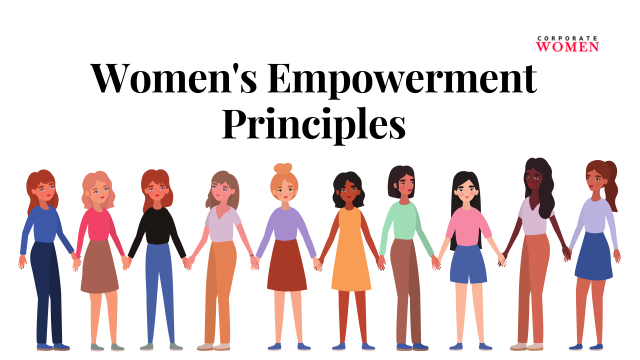
Women’s empowerment has been defined as the process by which women gain the ability to control their own lives. This includes their ability to make decisions about their own lives, bodies, and relationships. It also can access resources and services and participate in the decisions that affect their lives.
The principles of women’s empowerment are based on the belief that women have a right to control their own lives and the power to make choices about their lives. These principles have been developed through the work of many organisations and individuals working to empower women for many years.
Women’s Empowerment And The Sustainable Development Goals
The Sustainable Development Goals (SDGs) are a set of 17 goals adopted by the United Nations in 2015 to create a more sustainable and equitable world for all. One of the key priorities of the SDGs is to achieve gender equality and empower all women and girls by 2030.
Women’s empowerment is essential for achieving the SDGs. Empowered women are more likely to participate in the labour force, earn higher incomes, and have greater decision-making power within their households. When women are empowered, they can help to drive economic growth and reduce poverty.
There are many ways to empower women and achieve gender equality. Some of these include providing access to education and financial services, protecting women’s rights, and addressing gender-based violence. Achieves these goals, we will be one step closer to creating a more sustainable and equitable world for all.
Gender Equality For Women
Gender equality is the equal rights, responsibilities, and opportunities of women and men. It includes the right to live free from violence, freedom of expression, equally political, economic, and cultural participation, and access to justice. Women and men have equal dignity and are equal before the law.
Despite the progress made in recent years, women still face many challenges when it comes to achieving equality. They are often paid less than men for doing the same job, they are underrepresented in leadership positions, and they are more likely to experience violence and discrimination.
Gender equality is essential for women’s well-being and achieving peace, democracy, and economic development. It is also a fundamental human right.
Empowering Women And Girls Through Education
Education is a powerful tool that can help women and girls achieve their potential and build a better future for themselves, their families, and their communities. When women and girls are educated, they are more likely to be healthy, have fewer children, and earn a higher income. They are also more likely to participate in the political process and become active community citizens.
Despite the well-documented benefits of education, women and girls worldwide still face significant barriers to accessing quality education. In many countries, women and girls are more likely to drop out of school than their male counterparts. They are also more likely to be illiterate and lack the skills and knowledge they need to compete in the global economy.
The good news is that governments, NGOs, and the private sector are working to empower women and girls through education. Investing in girls’ education can help break the cycle of poverty and build a more prosperous and equitable world.
Health And Well-being
Maintaining a state of good health is vital for overall well-being and quality of life. Many factors contribute to good health, including genetic makeup, lifestyle choices, and access to medical care.
Some health conditions are beyond our control, but we can also do many things to protect our health and improve our chances of living long and healthy lives. Eating a balanced diet, exercising regularly, and getting regular medical check-ups are just some things we can do to stay healthy.
By taking care of our health and making healthy choices, we can enjoy a higher quality of life, both physically and emotionally.
Economic Empowerment
Economic empowerment gives people the power to make choices and decisions about their lives and livelihoods. It includes the ability to access resources, services, and opportunities, as well as the ability to control their own life and destiny. Economic empowerment is a critical step in the fight against poverty and inequality.
People can better provide for themselves and their families when they are economically empowered. They also have a greater chance of achieving their goals and dreams. Economic empowerment is about giving people the tools they need to make positive changes in their lives and in the world around them.
Violence Against Women And Girls
Gender-based violence against women and girls is a severe human rights violation. It is a form of discrimination rooted in gender inequality and affects women and girls of all ages.
Gender-based violence against women and girls can take many different forms, including physical, sexual, emotional, and economic violence. It can occur in private and public spaces and perpetrate by individuals, groups, or institutions.
Violence against women and girls is a global problem, and it is one that we must work together to end. In order to do this, we need to understand the problem and its causes better. We must also build support systems for survivors and work to prevent future violence.
Environment And Climate Change
The environment is essential to everyone. It is the air we breathe, the water we drink, and the land we live on. But the environment is changing. The world is getting warmer, the ice is melting, and the weather is getting more extreme.
Climate change is real, and it is happening right now. It is a global problem, and we need to work together to solve it. We need to reduce our emissions of greenhouse gases, and we need to prepare for the changes that are already happening.
We all have a role to play in saving the environment. We can start by making small changes in our own lives. We can recycle more, use less water, and drive less. We can also demand change from our governments and businesses. We can demand that they take action on climate change.
We need to act now before it is too late. The future of our planet depends on it.
Building Peaceful And Inclusive Societies
Since the end of the Cold War, the world has become increasingly interconnected and interdependent. As a result, peace and security are now shared challenges that require collective action.
The United Nations plays a vital role in building peaceful and inclusive societies. We work to prevent and resolve conflict, promote human rights and the rule of law, and support social and economic development. This helps to create the conditions for lasting peace.
There is no single formula for peace, but some common elements are essential for Building peaceful and inclusive societies. These include respect for human rights, accountable and effective institutions, and inclusive social and economic development. When these elements are present, societies are more likely to prosper and be more resilient in facing challenges.
Conclusion
There are many principles of women’s empowerment, but some of the most important are self-confidence, financial independence, and social inclusion. Women’sWomen’s empowerment is about much more than just improving women’s lives; it is about creating a more just and equal world for everyone. To learn more about women’s empowerment and how you can help, subscribe to our newsletter.