
Home Blog

How Flexible Work Policies Are Transforming Leadership and Retention for Women in Corporate India

0

In the evolving landscape of Indian corporate culture, flexible work policies are emerging as a critical lever for advancing women’s leadership and retention. The shift towards flexibility is more than a workplace convenience; it is a strategic imperative that addresses long-standing challenges women face in climbing the corporate ladder.

Flexible working arrangements—including remote work, flexible hours, and hybrid models—directly influence women’s ability to balance professional and personal commitments. This balance is essential not only for retention but also for enabling women to pursue leadership roles without the disproportionate burden of fixed schedules and rigid work environments.

Strategic Implications for Leadership and Talent Strategy

Organizations that adopt and institutionalize flexible work policies are positioning themselves to tap into the vast talent pool of women professionals who might otherwise be sidelined. For women executives and those on leadership tracks, flexibility serves as a critical enabler for sustained career progression and executive growth.

Moreover, flexible work models align with broader diversity, equity, and inclusion (DEI) efforts by supporting workplace inclusion and career mobility. Companies that prioritize these policies demonstrate a forward-thinking culture and governance mindset—key factors that positively affect employer brand and talent attraction, especially among women leaders.

Impact on Corporate Culture and Governance

Institutionalizing flexibility requires a systemic cultural shift, endorsed by board members and C-suite executives, to move beyond symbolic gestures toward measurable outcomes. Leadership accountability for flexible policies enhances organizational performance by fostering engagement, reducing turnover, and promoting diverse leadership pipelines.

For CHROs, DEI leaders, and governance stakeholders, adopting flexible work standards means embedding these values into corporate policy frameworks and talent management systems—ensuring that support is consistent, measurable, and linked to leadership development milestones.

Future Outlook: Advancing Women’s Executive Growth Through Flexibility

Looking ahead, the integration of flexible work as a fundamental element of workplace policy will be decisive in shaping women’s long-term participation and influence in the corporate sector. Companies that fail to evolve their flexibility strategies risk losing critical leadership talent and falling behind in their DEI commitments.

For corporate women navigating career advancement, understanding the strategic role of flexible work policies is essential. It enables informed decisions about workplace environments that support leadership aspirations and sustainable career trajectories.

Ultimately, flexible work is not just a response to immediate needs but a transformative force reshaping leadership opportunity, retention, and corporate governance standards for women in India’s dynamic business ecosystem.

What India’s New Corporate Gender Diversity Norm Means for Women Leaders and Businesses

0

The recent government mandate in India requiring listed companies to have at least one woman director on their boards marks a pivotal moment in the nation’s journey toward gender-inclusive corporate governance. This policy shift is more than a regulatory checkmark; it signals a strategic commitment to enhancing women’s representation in boardrooms and driving sustainable business outcomes through diverse leadership.

India’s move to institutionalize female board representation addresses a persistent gap in women’s access to leadership at the highest echelons of the corporate sector. Despite various diversity initiatives, women continue to hold a disproportionately low percentage of board seats and executive roles. Embedding this requirement within corporate governance frameworks not only elevates visibility but also integrates gender diversity as a fundamental aspect of board composition and accountability.

Implications for Women Leaders and Corporate Strategy

For women professionals on leadership trajectories, the regulation opens pathways to board-level influence and recognition, encouraging companies to invest in robust leadership pipelines and succession planning that deliberately includes women. It reinforces the need for organizations to develop tailored mentorship and sponsorship programs aimed at preparing women for directorship roles.

From a governance standpoint, boards benefit from the broadened perspectives and leadership styles that women directors contribute, which research has linked to improved oversight, risk management, and strategic decision-making. As investors increasingly scrutinize diversity metrics as indicators of long-term value and resilience, companies demonstrating genuine inclusion gain a competitive edge.

Challenges and Opportunities in Implementation

While the mandate sets a clear expectation, the real test lies in its execution. Some organizations may initially treat compliance as a checkbox exercise rather than a strategic transformation, risking superficial diversity that fails to influence board dynamics meaningfully. To realize the full potential, companies must foster inclusive cultures where women directors have substantive roles and voice.

Moreover, the pipeline challenge remains critical. Creating sustainable growth for women leaders requires integrated talent strategies linking middle and senior management development with board readiness. This alignment supports retention and career mobility, combating the attrition often seen in women’s leadership pathways.

Looking Ahead: Sustaining Momentum and Impact

This regulatory development aligns with global shifts recognizing diversity as a business imperative, not merely social responsibility. For India’s corporate landscape, embedding women in governance structures could accelerate broader workplace inclusion initiatives and enhance organizational performance.

Corporate leaders, HR executives, and policymakers are now positioned to leverage this momentum to institutionalize gender diversity beyond compliance. Strategic investments in leadership development, flexible workplace policies, and accountability mechanisms will be essential to transform the promise of this mandate into measurable outcomes that benefit businesses and empower women professionals alike.

Ultimately, this policy milestone offers a critical lever for advancing gender parity in corporate India—reshaping leadership norms, driving inclusive growth, and securing the country’s competitive edge in a rapidly evolving business environment.

Why HSBC’s $100 Million Commitment to Women’s Leadership Development Matters for Corporate India

0

The recent announcement by HSBC to invest $100 million globally in women’s leadership development signifies a strategic milestone for corporate inclusion and talent acceleration. In the context of India’s evolving corporate landscape, this robust funding commitment reflects a growing recognition among global financial institutions that fostering women’s leadership is not merely a social responsibility but a critical business imperative.

HSBC’s initiative aims to empower more than 100,000 women worldwide, focusing on leadership training, career advancement, and creating inclusive organizational cultures. For Indian women executives and corporate leaders, this investment offers a potential influx of enhanced resources, mentorship opportunities, and leadership pathways within financial services and beyond.

Strategic Implications for Corporate India

India’s corporate sector continues grappling with underrepresentation of women in executive and boardroom positions despite progress in women’s workforce participation. HSBC’s move underscores the increasing convergence of DEI strategies with long-term corporate performance and governance resilience. The funding can catalyze stronger pipelines of women leaders across sectors, particularly in male-dominated industries such as finance and technology.

Investors, CHROs, and board stakeholders should view such commitments as benchmarks for talent strategy and corporate governance that emphasize measurable inclusion outcomes over symbolic gestures. The initiative encourages companies to embed sponsorship and mentorship models that actively propel women into C-suite roles, addressing retention and advancement challenges that many organizations face.

Leadership Development and Talent Mobility

By facilitating comprehensive leadership development programs, HSBC is setting a precedent for how corporations can systematically support women’s career trajectories—emphasizing skill-building, networking, and visibility. This approach is critical to overcoming structural barriers and fostering workplace cultures that value diverse leadership styles and perspectives.

Looking Ahead: The Broader Impact on Women’s Corporate Growth

HSBC’s $100 million pledge signals a shift towards integrating women’s leadership development firmly within the corporate growth agenda. For India’s women professionals on leadership tracks, it affirms that executive growth is increasingly tied to robust talent ecosystems supported by global and local investments.

Companies aiming to retain and advance women leaders must align their policies with such emerging frameworks, prioritizing flexible work environments, inclusive leadership metrics, and transparent career progression pathways. Ultimately, these actions contribute to enhancing corporate culture, driving sustainable business performance, and reinforcing women’s roles as pivotal leaders in India’s corporate future.

Why Salesforce’s Commitment to Equal Pay Matters for Women in Corporate Leadership

0

Salesforce’s latest announcement to uphold pay equity confirms its commitment to gender wage parity, a pivotal step for women in corporate leadership and executive roles. As pay disparity continues to hamper women’s career progression and retention, efforts by leading firms like Salesforce shed light on the tangible actions necessary to create truly inclusive workplaces.

Equitable pay is more than a compliance metric—it signals business commitment to valuing talent without bias, directly impacting women’s advancement and motivation. For women executives, pay equity fosters a culture where leadership contribution is fairly rewarded, enhancing sponsorship and mentorship dynamics that propel leadership pipelines.

From an industry perspective, Salesforce’s approach underscores the intersection of pay transparency, corporate governance, and talent strategy as foundational to attracting and retaining female leaders. This commitment supports broader diversity, equity, and inclusion (DEI) goals that are increasingly linked to business resilience, innovation, and stakeholder trust.

For CHROs and DEI leaders, Salesforce sets a benchmark in deploying data-driven pay audits and adjustments aligning compensation frameworks with measurable equity outcomes. This proactive stance helps shift organizational culture from symbolic inclusion toward authentic and sustainable diversity.

Investors and board directors must recognize that pay equity initiatives like Salesforce’s reduce risk, enhance reputation, and contribute directly to long-term organizational competitiveness. Regulators and policymakers can also draw insights on effective corporate governance mechanisms that embed gender equity within foundational business practices.

Looking ahead, the Salesforce model invites corporate India to adopt similar strategies prioritizing pay parity as integral to closing leadership gaps for women. Supporting equitable pay transcends fairness—it elevates the entire business ecosystem by unlocking the full potential of women leaders.

Conclusion

Salesforce’s pay equity commitment exemplifies a critical leadership practice that women in corporate roles, HR strategists, investors, and governance bodies must watch carefully. As the global and Indian corporate sectors intensify focus on measurable inclusion outcomes, equitable pay stands as a decisive factor transforming leadership trajectories, workplace culture, and business sustainability.

The CEO Magazine Announces the Launch of Business Conclave & Leadership Awards 2026

0

New Delhi, India – 21st April 2026

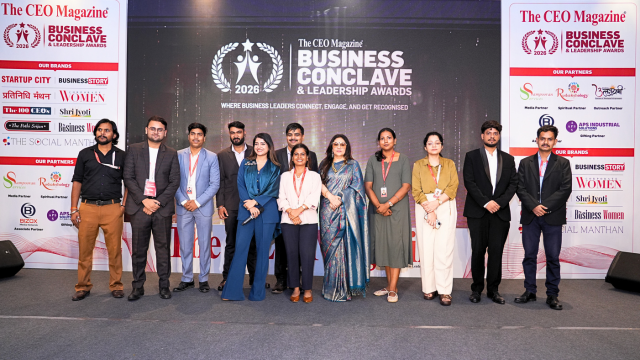
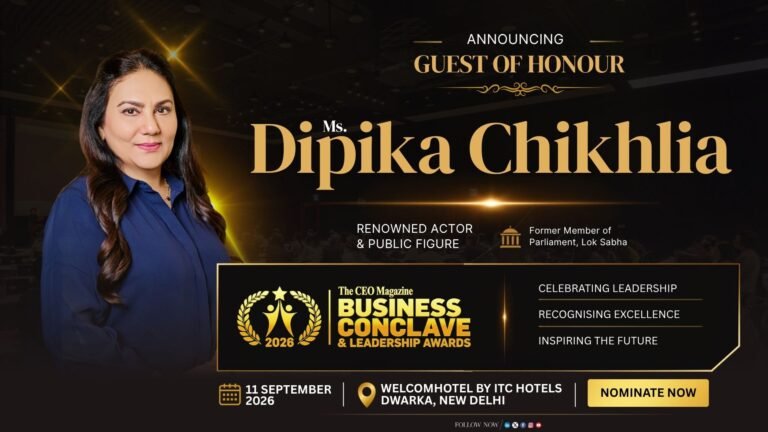
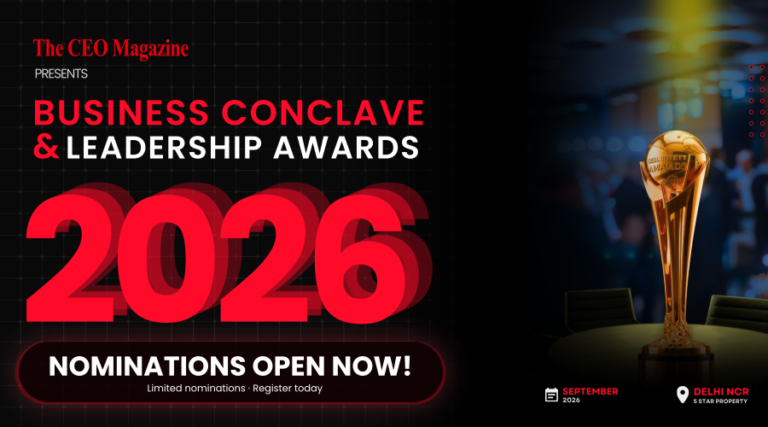
The CEO Magazine, the flagship business publication of Indiamanthan Publications & Media Pvt. Ltd., has announced the launch of the Business Conclave & Leadership Awards 2026, an initiative aimed at recognising business leadership, performance, and industry impact across sectors.

Scheduled to be held in Delhi NCR in September 2026, the platform is being developed as a combination of a business conclave and a structured awards program, bringing together organisations, entrepreneurs, and senior decision-makers from across industries. The initiative is designed to create a focused environment that goes beyond traditional award formats by integrating interaction, visibility, and recognition within a single platform.

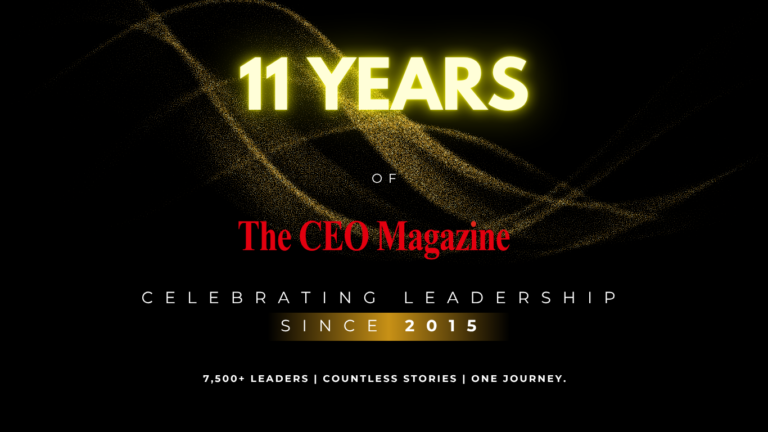
Established in 2015, The CEO Magazine has steadily built a strong presence in India’s business media landscape. Over the years, the publication has featured more than 7,500 business leaders across its print and digital platforms, working closely with founders, entrepreneurs, and senior executives from diverse sectors. The upcoming conclave and awards mark a strategic extension of this work, moving from documenting business journeys to formally recognising leadership and organisational excellence.

The CEO Magazine Business Conclave & Leadership Awards 2026 marks a strategic extension of this work—transitioning from documenting business journeys to formally recognising leadership and organisational excellence. The initiative reflects the evolving need for platforms that not only highlight success stories but also provide businesses with broader visibility and industry acknowledgement.

The awards are expected to include a wide range of categories across leadership and industry segments, recognising organisations and individuals for their growth, innovation, and market presence. In addition to on-stage recognition, the platform is designed to offer participants extended visibility through editorial features, digital coverage, and media exposure across The CEO Magazine’s ecosystem.

In addition to recognition, the conclave component of the initiative will provide a curated setting for meaningful business interaction. It is expected to facilitate engagement among founders, CEOs, and industry professionals, enabling networking, exchange of ideas, and potential collaborations across sectors.

The event will be hosted at a premium 5-star venue in Delhi NCR and is expected to attract a diverse mix of business leaders, entrepreneurs, and decision-makers from across India, creating a focused and high-value business environment.

To explore the event and participation details, visit: https://sheet.theceo.in/event/the-ceo-magazine-business-conclave-and-leadership-awards/

Shrikant Pandey, Publisher, The CEO Magazine said, “Over the years, we have engaged with a wide range of businesses and leaders, understanding their journeys, challenges, and growth. The Business Conclave & Leadership Awards is a natural progression of that work. It is designed to create a structured platform that not only recognises leadership but also enhances visibility and fosters meaningful business connections.”

He further added, “As businesses continue to grow and evolve in an increasingly competitive environment, the need for credible recognition and wider visibility becomes more important. This initiative aims to address that need by bringing together recognition, engagement, and industry interaction in a single platform.”

Further details regarding award categories, participation, and programme structure are expected to be announced in the coming months.

About The CEO Magazine

The CEO Magazine is a business-focused publication by Indiamanthan Publications & Media Pvt. Ltd., featuring leadership journeys, industry insights, and entrepreneurial stories across India. Since its inception in 2015, it has built a strong presence across print and digital platforms, connecting with a wide network of business leaders, decision-makers, and professionals across industries.

Media Contact:
Indiamanthan Publications & Media Pvt. Ltd.
Email: event@theceo.in
Phone: 011-4121-9292
Website: www.theceo.in

How Emerging Workplace Policies Are Shaping Women’s Leadership and Inclusion in Corporate India

0

In recent years, the corporate landscape in India has witnessed evolving workplace policies aimed at improving inclusion and representation, particularly for women. These policy shifts are emerging as essential levers for driving sustainable women’s leadership growth, workplace transformation, and executive career advancement.

While women continue to be underrepresented in top leadership roles across industries, progressive policies addressing flexibility, safety, retention, and advancement prospects are beginning to reshape the executive pipeline. Organizations increasingly recognize that fostering an inclusive work culture is not merely a compliance exercise but a critical component of long-term business resilience and competitiveness.

Strategic Implications for Corporate Women Leaders and Organizations

For women executives and aspiring leaders, these policy developments signify new opportunity avenues for career mobility and retention within their organizations. Greater emphasis on returnship programs, mentorship, and sponsorship initiatives aligned with inclusive policies helps build capable leadership pipelines. For CHROs, DEI leaders, and board directors, incorporating these evolving benchmarks into corporate governance and talent strategy frameworks enhances organizational reputation and drives measurable diversity outcomes.

Impact on Talent Strategy and Leadership Development

Effective implementation of workplace reforms centered on women’s safety, flexibility in work arrangements, and transparent career progression pathways creates an environment conducive to sustained professional growth. This environment encourages women managers and functional heads to step into expanded roles that influence business outcomes more directly.

From an investor and governance perspective, companies with demonstrable progress in women’s inclusion and leadership attract stronger stakeholder confidence, underpinning value creation and market competitiveness.

Looking Ahead: A Business-Driven Approach to Women’s Inclusion

To maximize the benefits of these workplace policy shifts, organizations must integrate them into comprehensive talent and leadership development strategies that prioritize tangible outcomes over symbolic gestures. Mentorship, sponsorship, and leadership coaching tailored to the unique career trajectories of women leaders will serve as critical enablers.

In sum, the evolving corporate policies in India are not just changing how workplaces operate—they are redefining the leadership opportunity landscape for women. By connecting policy with practical execution and accountability, companies can unlock new performance engines driven by diverse, empowered women leaders.

How Career Acceleration Programs Are Reshaping Leadership Opportunity for Women in Corporate India

0

In the evolving landscape of corporate India, structured career acceleration programs have become pivotal in transforming the trajectory of women’s leadership growth. These programs not only address persistent gaps in representation but also foster a robust pipeline of women leaders who can influence company strategy, culture, and governance.

The increasing focus on leadership development tailored for women executives and mid-career professionals reflects a deeper recognition among companies that gender diversity drives innovation, resilience, and long-term business performance. Career acceleration initiatives — encompassing mentorship, sponsorship, targeted leadership learning, and strategic project assignments — are expanding opportunities for women to break through historical barriers that have limited their access to senior and boardroom roles.

For corporate decision-makers, this shift signals more than just a commitment to diversity. It is a strategic investment in talent retention and workforce agility at a time when the global market demands adaptable, inclusive leadership. Women-focused growth frameworks enhance retention amid competitive talent markets by providing tailored growth paths responsive to women’s career and life-stage needs.

Furthermore, these programs contribute directly to stronger corporate governance by enriching the leadership mix with diverse perspectives. As regulators and investors heighten their scrutiny of board composition and executive accountability around diversity outcomes, companies with clear, measurable advancement routes for women leaders are positioning themselves as forward-looking and compliant entities.

Across sectors—from technology and finance to consulting and healthcare—the impact of career acceleration programs is particularly significant for women navigating traditionally male-dominated fields. They offer structured support to manage challenges related to workplace inclusion, career mobility, and leadership readiness.

Looking ahead, the continued evolution and scaling of these programs will be essential for sustaining momentum in women’s executive growth. Organizations that integrate such programs with broader DEI strategies and embed them into their talent and succession planning will be better equipped to achieve resilient leadership pipelines and maintain competitive advantage.

In summary, career acceleration programs are critical levers that are reshaping leadership opportunity for women in corporate India. For executives, HR leaders, investors, and board members committed to holistic, outcome-driven inclusion, these initiatives present a tangible path to unlock women’s full potential and drive lasting business impact.

Why India’s Returnship Programs Are Critical for Women’s Executive Advancement

0

As India’s corporate landscapes evolve, returnship programs have emerged as a strategic lever to accelerate women’s reentry into executive and leadership pipelines after career breaks. These structured initiatives respond to a pressing industry need: bridging the talent gap that arises when women pause their careers due to caregiving or other responsibilities.

Global studies repeatedly show that women face disproportionate barriers to resuming professional growth post-break, often losing momentum that stalls their progression to senior management and boardroom roles. Returnships not only facilitate a smoother transition back into the workforce but also serve as powerful corporate talent tools that help retain women leaders and professionals whose executive experience and potential are vital for diversity and business resilience.

From a corporate governance and DEI perspective, effective returnship programs address a broader challenge — translating policy intent into measurable representation outcomes. They fit within an integrated talent strategy that recognizes women’s retention and advancement as key to sustaining leadership diversity, organizational culture transformation, and long-term competitiveness.

For HR and DEI leaders, returnships present a unique opportunity to design flexible, inclusive career reentry pathways that prioritize role relevance, leadership development, and sponsorship, ensuring women returning to work have access to meaningful assignments and progression prospects. These programs also enhance employer brand appeal, signaling a serious commitment to women’s career mobility and participation at senior levels.

Looking ahead, companies that pioneer robust returnship models will likely see stronger leadership pipelines enriched by experienced women executives ready to contribute strategically at a critical time when business environments demand inclusive agility and innovation. Investors and board directors have a stake in encouraging this evolution — viewing women’s comprehensive reintegration as both a governance imperative and a value driver.

Ultimately, the rise of returnship programs in India underscores a shift from symbolic inclusion toward concrete pathways that foster equitable corporate advancement. It signals a call for sustained executive sponsorship, data-driven DEI accountability, and workplace policies aligned with retaining and promoting women leaders in an increasingly dynamic corporate ecosystem.

The Importance of Workplace Flexibility for Advancing Women’s Leadership in Corporate India

0

In a landscape where women’s representation in senior corporate roles remains below potential, workplace flexibility stands out as a pivotal factor enabling not only retention but also advancement of women leaders. The ongoing scrutiny of how companies offer flexible work arrangements reflects a broader demand for meaningful inclusion strategies that address real barriers faced by women at various stages of their leadership journeys.

Workplace flexibility encompasses more than remote work; it includes adaptable scheduling, supportive policies around caregiving and parental responsibilities, and culturally embedded norms that recognize diverse employee needs. For women executives and professionals on leadership tracks, this flexibility can be a game-changer — supporting continuity in career momentum and reducing attrition that typically increases at mid-management levels, where women’s advancement often stalls.

The strategic implications for corporate leaders, CHROs, and governance stakeholders are significant. Organizations with robust flexibility policies demonstrate better talent retention, enhanced employee engagement, and greater leadership diversity—all key indicators of resilient and competitive businesses. Moreover, flexibility as a core element of workplace culture integrates closely with DEI initiatives and talent strategies aimed at creating measurable representation outcomes rather than symbolic inclusion.

Investors and board members are increasingly evaluating leadership diversity as part of governance quality assessments, reinforcing the link between flexible work cultures and long-term organizational performance. For women to progress into C-suite roles and boardrooms sustainably, the workplace must evolve from transactional accommodations to transformational culture change, where flexibility is normalized and strategically leveraged.

Looking ahead, companies that prioritize flexibility can expect not only improved retention and advancement of women leaders but also a strengthened employer brand in a competitive talent marketplace. This shift aligns with broader societal trends and regulatory focus, emphasizing the importance of actionable policies that foster career mobility and inclusion.

In conclusion, workplace flexibility is more than a benefit; it is a critical enabler of women’s leadership growth and corporate resilience. For decision-makers committed to diversity and sustainable business impact, embedding flexible work as a strategic priority will be essential in shaping the future leadership landscape in India and beyond.

Why AI-Driven Talent Analytics Are Crucial for Advancing Women in Corporate Leadership

0

As organizations increasingly rely on artificial intelligence (AI) to inform critical talent decisions, the integration of AI-driven analytics offers a potent tool to transform the advancement of women in corporate leadership. Recent developments in talent analytics underscore a strategic opportunity for executives, CHROs, and DEI leaders to leverage data science for addressing enduring gender disparities at senior levels.

Talent analytics uses AI and machine learning algorithms to assess patterns and trends in recruitment, promotion, retention, and engagement. For women professionals on leadership tracks, this means a more transparent and objective lens on career progression opportunities, helping to identify hidden biases and systemic barriers that have long impeded equitable representation in the C-suite and boardroom.

Strategic Implications for Corporate Leadership

AI-powered insights can pinpoint talent gaps and forecast leadership pipeline needs with precision, enabling organizations to design targeted sponsorship and mentorship programs. For board stakeholders and investors, this data-driven approach enhances governance by providing measurable evidence of progress—or lack thereof—in women’s senior representation.

Moreover, AI analytics support the design of inclusive workplace policies that improve retention and career mobility for women. By identifying workplace dynamics that correlate with attrition or stagnation—such as lack of flexible work options or disproportionate caregiving responsibilities—HR leaders can implement bespoke interventions that align with corporate culture and business goals.

Leadership and Organizational Growth Opportunities

Women executives and managers stand to benefit from AI-enhanced talent frameworks that clarify career timelines and development milestones. This transparency equips them to navigate corporate advancement more effectively, while organizations cultivate more resilient and diverse leadership pipelines. Furthermore, integrating AI analytics with human insight nurtures a culture of continuous learning and accountability, critical components to sustaining long-term inclusion outcomes.

Conclusion: The Future of Women’s Corporate Growth Harnessed by AI

In a corporate environment where diversity is increasingly recognized as a driver of performance and innovation, AI-driven talent analytics are not just a technological upgrade—they represent a fundamental shift in how women’s leadership potential is identified, nurtured, and realized. For decision-makers aiming to accelerate women’s executive growth and create measurable inclusion impact, investing in advanced talent analytics capabilities is both a strategic imperative and a business differentiator.

As the corporate world navigates ongoing transformation, the intersection of AI and talent strategy offers a uniquely powerful lever for advancing women’s leadership journeys, enhancing workplace equity, and driving sustainable organizational success.