
Amplify Your Leadership Voice
Join industry leaders sharing insights with millions worldwide
Join industry leaders sharing insights with millions worldwide
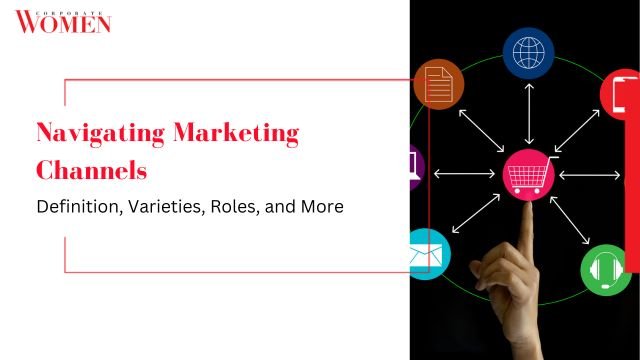
Within commerce, products embark on a multifaceted journey before reaching their ultimate destination – the hands of consumers. This intricate process, known as distribution channels, encompasses myriad routes that facilitate the movement of goods from manufacturers to end-users. Termed marketing channels or distribution methods, these pathways serve as the conduits through which companies seamlessly convey their products across diverse platforms.
To comprehend the significance of marketing channels, consider the journey of Lay’s, a beloved potato chips brand in India. The familiar Lay’s packets grace the shelves of local grocery stores nationwide. But have you ever wondered how these packets successfully make their way to even the remotest corners of India?
Herein lies the essence of marketing channels. While Lay’s operates a limited number of manufacturing facilities, its products efficiently find their way to regional depots via a well-structured network of marketing channels. The products journey to C&F agents from these depots and eventually reach city-based distributors. These distributors cater to wholesalers, who, in turn, supply retailers. Thus, the odyssey of a single Lay’s packet from its manufacturing source culminates in the hands of the end consumer.
The triumph of a manufacturer’s business hinges upon the efficacy of its marketing channels. These channels are not mere conduits; they are strategic assets that determine the reach and accessibility of products. Selecting the proper channels becomes paramount in an era where every marketing investment holds weight. Identifying channels and strategies that resonate most with your target audience becomes imperative.
This comprehensive guide aims to demystify marketing channels, encompassing their diverse types, functions, and more.
A marketing channel, also known as a distribution channel, constitutes a system that facilitates the seamless flow of products from manufacturers to consumers across multiple tiers. This intricate web of connections ensures the efficient delivery of goods to their intended destinations, serving as a pivotal tool for strategic marketing endeavours.
Traditional marketing channels encompass methods like direct mailers and television broadcasts. The modern landscape introduces a plethora of digital avenues, including targeted digital advertising, email campaigns, websites, and events.
These channels vary in terms of their target audience and reach. Your selection of marketing channels for a global market might differ from those tailored for local audiences. Four prominent marketing channel types are:
Marketing channels transcend their role as mere conveyors; they perform functions that facilitate seamless transactions between manufacturers and consumers. These functions encompass:
In marketing, “multichannel” and “omnichannel” carry significance. Multichannel marketing utilises multiple channels to reach customers, while omnichannel marketing ensures consistent customer experiences across all channels.
The choice of marketing channels hinges on your business type and target audience. A blend of channels can create multiple touchpoints that nurture leads and foster conversions. However, prioritising the right channels is key, rather than attempting to cover every platform.
Marketing channels lay the foundation for the seamless distribution of products from manufacturers to consumers. In their absence, a manufacturer’s production remains unfulfilled. Grasping the intricacies of marketing channels equips businesses with tools to deliver products, optimising their reach and impact efficiently. Businesses can confidently navigate the ever-evolving marketing landscape by understanding marketing channels’ types, functions, and potential.