
Home Blog Page 72

Most Profitable Small Businesses 

5

When it comes to starting a small business, there are many factors to consider – from the initial investment to the amount of time and effort required. But one of the most important questions to ask is: what kind of small business is most profitable? 

To answer this question, we must first understand what profitability means. Profitability is simply the capacity of a business to generate revenue that exceeds the costs of operating the business. That being said, several factors will affect a small business’s profitability, such as the type of business, location, target market, and operating costs. 

In this article, we will explore the most profitable small businesses in many different industries. We will also provide insights into what makes these businesses successful and profitable.

Types Of Small Businesses 

There are many different types of small businesses, each with its unique challenges and rewards. To help you decide which type of small business is right for you, we’ve compiled a list of the most common types of small businesses.

Each type of small business has its own set of pros and cons, so it’s essential to do your research before deciding which type of business is right for you. Retail businesses, for example, typically require a significant investment in inventory and often have high overhead costs. On the other hand, service businesses can start with very little money and often have lower overhead costs.

No matter which type of small business you decide to start, remember that the key to success is to always be innovating, adapting, and growing.

What Are The Benefits Of A Small Business?

There are many benefits to starting and running a small business. Small businesses are the backbone of the American economy, providing countless advantages to owners and employees.

Some of the benefits of owning a small business include the ability to be your own boss, the satisfaction of building something from scratch, and the potential to make a high income. Small businesses also can create jobs and help boost the local economy.

So if you’re thinking about starting a small business, know that you could be doing something great for yourself and your community.

Taxation Of Small Businesses 

The taxation of small businesses can be a complex and confusing topic. There are many different tax laws that apply to small businesses, and it can be challenging to know which ones apply to your business. However, it is essential to understand the taxation of small businesses so that you can comply with the law and avoid penalties.

The first step in understanding the taxation of small businesses is to identify your business type. There are four main types of business structures: sole proprietorships, partnerships, corporations, and limited liability companies. Every kind of business has different tax rules that apply to it.

Once you have identified the type of business you have, you can begin to research the specific tax laws that apply to your business. The Internal Revenue Service (IRS) website is an excellent place to start your research. The IRS website contains a wealth of information on taxation, including a section on small businesses.

Another good source of information on the taxation of small businesses is the Small Business Administration (SBA) website. The SBA is a resource for small businesses and can provide you with information on the taxation of small businesses.

When you are researching the taxation of small businesses, it is essential to remember that the laws are constantly changing. Tax laws are complex, and it is challenging to keep up with all of the changes. However, there are resources available to help you stay current on the latest tax law changes. The IRS website offers a variety of resources, including newsletters and updates on tax law changes. In addition, many tax professionals offer services that can keep you up-to-date on the latest tax law changes.

How To Start A Small Business?

There are many factors to consider when starting a small business. The first step is to develop a business plan. This will help you determine the feasibility of your business idea and identify the resources you will need to get started.

Once you have a business plan, you will need to secure funding. This can come from personal savings, loans, or investors. Once you have the necessary funding, you can start the process of setting up your business. This includes choosing a business structure, obtaining licenses and permits, and opening a business bank account.

After your business is up and running, you will need to focus on marketing and sales. This will include developing a marketing strategy, creating a website, and advertising your business. You will also need to build relationships with potential and existing customers.

What Are The Most Profitable Small Businesses?

There are many factors to consider when determining which small business is the most profitable. Some businesses may have higher profit margins than others, but they may also have higher overhead costs. Other businesses may have lower profit margins but require less capital to get started.

The most profitable small businesses are those that have a niche market and offer unique products or services that are in high demand. These businesses typically have low overhead costs and can charge higher prices for their goods or services. If you are thinking about starting a small business, be sure to do your research to find a niche market that is in high demand and that you can be competitive.

Why Do Some Small Businesses Fail?

Small businesses are the backbone of the American economy, but unfortunately, not all of them are successful. In fact, according to a recent study, nearly 30% of small businesses fail within the first year. So what causes these businesses to fail?

There are many reasons why a small business might not make it. Poor planning and management, lack of capital, and competition are just a few of the most common reasons. But in many cases, the failure of a small business can be traced back to one simple cause: the owner didn’t have what it takes to make it work.

Successful small business owners are passionate, hardworking, and dedicated. They also have a clear vision for their business and know how to execute that vision. If you’re considering starting a small business, make sure you have what it takes to succeed.

How Can I Make My Small Business More Profitable?

You can do several things to make your small business more profitable. Here are a few suggestions:

  • Review your pricing. Make sure you are charging enough for your products or services.
  • Streamline your operations. Cut down on waste and inefficiencies.
  • Improve your marketing. Make sure you are reaching your target market.
  • Provide excellent customer service. Keep your customers happy, and they will keep coming back.

Taking these steps can increase your chances of success and make your small business more profitable.

What Are Some Common Mistakes Made By Small Businesses?

There is a multitude of mistakes that small businesses can make, but some tend to be more common than others. Here are a few of the most common mistakes made by small businesses:

  • Not doing enough market research: It’s essential to know who your target market is and what they want. Otherwise, you risk making products or services that no one wants or needs.
  • Not having a clear business plan: A business plan is crucial for any business, big or small. It gives you a roadmap to follow and helps you track your progress. Without a clear business plan, it’s easy to get off track and make decisions that aren’t in the best interest of your business.
  • Not monitoring your finances: Keeping track of your finances is essential for any business. It allows you to see where your money is going and track
  • Not investing in marketing: Marketing is one of the most important aspects of any business. Without a solid marketing strategy, attracting customers and growing your business is challenging.
  • Trying to do everything yourself: As a small business owner, it’s tempting to try to do everything yourself. But this can often lead to burnout and poor decision-making. It’s important to delegate tasks and build a team of trusted individuals who can help you run your business.

Avoiding these common mistakes can help you set your small business up for success.

To Wrap Things Up

In conclusion, the most profitable small business is the one that best meets the needs of its customers. There is no single type of business that is always more profitable than others. The key to profitability is to provide a product or service that people are willing to pay for. To stay up-to-date on the latest trends in small business profitability, subscribe to our newsletter.

Qualities Women Bring To Workplace

The question of what value women bring to the workforce is often asked. The simple answer is that women bring a lot of value to the workforce. Women are often forced to take on multiple roles in the workforce, which can lead to burnout. However, studies have shown that women are more likely to stay in the workforce if they feel valued. 

A recent study found that out of 5,000 women surveyed, only 26% felt that their work was a valuable use of their time. This number dropped to 23% when asked about their most recent job. The study also found that women who don’t feel valued in the workforce are more likely to leave their jobs. 

It’s essential that women feel valued in the workforce, as they bring a lot of value to the table. If you’re a woman who feels undervalued at work, talk to your boss or HR department about ways to feel more valued in your position.

Women In Management And Leadership Positions

A growing body of evidence suggests that women are underrepresented in management and leadership positions. Several studies have shown that women are less likely to be promoted to management positions than men, and when they are promoted, they are often given less authority and responsibility. This is a problem not only for women but for companies as well, as research has shown that companies with more women in leadership positions tend to be more successful.

So what can be done to address this issue? One way is to create programs that mentor and support women in the workplace. Another is to ensure that women have an equal opportunity to apply for and be considered for management positions. And finally, companies can make an effort to create a more diverse and inclusive culture overall.

The Benefit Of A More Diverse Workforce

A more diverse workforce has been shown to have several benefits. For one, it can improve creativity and problem-solving ability. A study by the University of Michigan found that teams with a more diverse range of perspectives were better able to come up with creative solutions to problems.

Additionally, a more diverse workforce can lead to improved financial performance. A report by McKinsey & Company found that companies with a more diverse workforce were more likely to outperform their less diverse counterparts.

So why is a more diverse workforce so beneficial? One reason is that it brings a broader range of perspectives and experiences to the table. This can lead to better decision-making and improved creativity and problem-solving ability. Additionally, a more diverse workforce can lead to improved financial performance. 

How To Create An Inclusive Environment For Women In The Workplace 

Creating an inclusive environment for women in the workplace is essential for the success of any business. By making women feel welcomed and valued, you can create a more productive and positive work environment for everyone.

You can do a few key things to create an inclusive environment for women in the workplace:

  • Make sure that your hiring practices are fair and inclusive.
  • Develop policies and procedures that support women in the workplace.
  • Create opportunities for women to network and collaborate.
  • Taking these steps can create a more inclusive workplace for women and everyone else.

The Unique Skills And Perspectives That Women Bring To The Table 

There is no doubt that women have made great strides in the business world. Over the last few decades, we have seen more and more women enter leadership roles and achieve success in various industries. And while there is still progress to be made, there is no doubt that women have a lot to offer businesses and organisations.

One of the things that businesses and organisations need to realise is that women bring unique skills and perspectives to the table. We often think of businesses as being run by men, but the fact is that women have a lot to offer in terms of their skills and abilities. And as more and more businesses start to realise this, we are seeing more women in leadership roles.

Women As Mentors, Sponsors, And Allies 

More and more companies are beginning to see the value of diversity in the workplace. And while there has been progress made in recent years, there is still a long way to go. One way to help close the gender gap is by investing in women as mentors, sponsors, and allies.

Mentorship programs can allow women to learn from more experienced colleagues and develop their skills. Sponsorship programs can help women advance in their careers by providing access to essential networks and resources. And all programs can create a Culture of inclusion by educating employees on the importance of diversity and inclusion.

By investing in women as mentors, sponsors, and allies, companies can help close the gender gap and create a more inclusive workplace.

To Wrap Things Up

In conclusion, women bring a great deal of value to the workforce. They are typically strong communicators, are good at multitasking, and often have a caring nature. These qualities can benefit various industries, from healthcare to customer service. If you want to learn more about the value of women in the workplace, subscribe to our newsletter.

Reasons Why One Choose To Be A Businesswoman

In recent years, there has been a dramatic increase in the number of women starting their own businesses. In fact, woman-owned businesses are one of the fastest-growing segments of the economy. 

A number of factors contribute to this trend, including the growing number of women with college degrees and increased access to capital and technology. But what motivates women to start their own businesses? 

For many women, the answer is simple: they want to be their own boss. They want the flexibility to make their own decisions and the freedom to pursue their own goals. But there are also a number of other reasons why women choose to be their own bosses. 

In this article, we’ll explore the top reasons why women choose to be business owners.

The Advantages Of Being A Businesswoman

There are many advantages to being a businesswoman. Perhaps the most obvious is that you have the potential to make a lot of money. But beyond that, owning your own business gives you the freedom to set your own hours, choose your own products or services, and be your own boss.

Of course, being a businesswoman also has its challenges. You may have to work long hours to get your business off the ground, and you may face competition from other businesses. But if you’re up for the challenge, being a businesswoman can be a very rewarding experience.

The Challenges Of Being A Businesswoman

Being a businesswoman is not for the faint of heart. It takes tremendous dedication, hard work, and determination to succeed. Businesswomen face several challenges daily, from gender discrimination to the lack of mentors and role models.

Despite the challenges, there are also many rewards. Businesswomen who overcome the odds can achieve great things for themselves and the businesses they represent. They can also be an inspiration to other women who are looking to enter the business world.

If you’re considering starting your own business, or are already a businesswoman, keep these challenges in mind and use them as motivation to push yourself to success.

The Rewards Of Being A Businesswoman

There are many rewards to being a successful businesswoman. Not only do you get to create your own success, but you also get to be an inspiration to other women who are looking to achieve their own dreams. As a businesswoman, you can make a real difference in the world and create opportunities for other women.

So what are the rewards of being a businesswoman? Here are just a few:

• You get to be your own boss – This is perhaps the most obvious benefit of being a businesswoman. When you are your own boss, you get to call the shots and make all the decisions. You get to create your own success story.

• You get to inspire other women – As a successful businesswoman, you encourage other women looking to achieve their own dreams. 

Why I Choose To Be A Businesswoman

In today’s society, there are many different paths that people can take in their careers. Some people choose to become doctors, lawyers, or teachers. Others choose to enter the world of business. And still, others go into more creative fields such as writing, art, or music.

I have always been interested in business. When I was a child, I would set up little shops in my house and sell things to my family members. I was always intrigued by the idea of making money and being my own boss. So, when it came time to choose a career, I knew that I wanted to go into business.

There are many reasons why I choose to be a businesswoman. I enjoy the challenge of building something from scratch and growing it into a successful enterprise. I like the idea of being my own boss and setting my own hours.

Conclusion

In conclusion, being a businesswoman offers many advantages. It allows you to be your own boss, set your own hours, and make your own decisions. It also gives you the opportunity to make a difference in the world. If you’re interested in pursuing a career in business, subscribe to our newsletter or follow us on social media for more information.

Role Of Women In Our Society

The role of a woman has changed drastically over the past few hundred years. In the past, women were seen primarily as homemakers, and their main responsibilities were to take care of the household and raise the children. However, as times have changed, women have increasingly become more involved in the workforce and are now taking on more responsible roles in society. 

In today’s day and age, women are no longer confined to the household and are taking on active roles in the workforce, businesses, and government. According to a report by the International Labour Organization, as of 2017, women made up 40.8 per cent of the global workforce. Furthermore, women are also taking on leadership roles in various fields and making a significant impact worldwide. 

It is evident that the role of women has changed dramatically over the years, and they are now playing a more active and significant role in society.

Women’s Rights And Roles Have Changed Dramatically Over Time 

Women’s rights and roles have changed dramatically over time. In the past, women were not considered equal to men and were expected to stay at home to take care of the household and family. However, over the past few hundred years, women have been fighting for their rights, and slowly but surely, they have been gaining ground.

Today, women are considered equal to men in many countries worldwide. They are allowed to vote, hold office, work, and own property. In some countries, women even serve in the military. Although there is still room for improvement, the situation for women has dramatically improved over time.

The Main Role Of A Woman In Our Society Today Is To Be Respected

The main role of a woman in our society today is to be respected. The notion that a woman’s place is solely in the home is outdated and sexist. Women have fought for and earned the right to be treated as equals in all facets of life. We have just as much to offer society as men do, and it is time that we are given the respect we deserve.

This does not mean that there are no longer any barriers to equality. Women still face discrimination and sexism in many areas of life. But we have made significant progress, and we must continue to fight for our rights until we are truly equal.

Women Are Strong And Capable Individuals 

Women are strong and capable individuals who are capable of doing great things. They have been proven to be able to lead successful businesses, create incredible works of art, and achieve great things in their field. There is no doubt that women are a powerful force in the world, and they continue to show us that they are capable of anything they set their minds to.

To Wrap Things Up

In conclusion, the main role of a woman in our society is to be a wife and mother. This is the role that has been assigned to women since the beginning of time. While many women have chosen to pursue other roles, the vast majority still subscribe to this traditional role. To learn more about the role of women in our society, subscribe to our newsletter.

Rude Coworker? Here’s What You Can Do

It’s inevitable that you will come across a rude coworker at some point in your career. How you deal with them can make all the difference in your work life.

The first step is to try and understand why the person is being rude. It could be that they’re having a bad day or they’re under a lot of stress. In any case, it’s essential to be patient and not take their behaviour personally. 

Once you’ve established that, there are a few things you can do to diffuse the situation. You can try to be assertive and set boundaries or avoid the person altogether.

The most important thing is not to let the rude coworker affect your own mood and productivity. Remember, you’re in control of your own happiness at work – not theirs!

What Is Considered Rude Behaviour In The Workplace?

There is no definitive answer to this question, as workplace etiquette can vary depending on the company and the country. However, there are some general behaviours that are usually considered to be rude in the workplace. For example, interrupting a colleague while speaking, not responding to emails or requests promptly, and failing to respect others’ personal space are all considered rude behaviours in the workplace.

Of course, many other behaviours could be considered rude in the workplace, so it is always best to err on the side of caution and be polite to your colleagues.

Dealing With A Rude Coworker

A rude coworker can make going to work each day a nightmare. If you find yourself in this situation, there are a few things you can do to try to improve the situation.

First, try to have a conversation with the coworker to see if there is anything that you can do to resolve the issue. It is possible that there is a misunderstanding that can be cleared up. If the conversation does not go well or if the coworker refuses to talk to you, you can talk to your boss or HR about the situation. This is especially important if the rude behaviour is making it difficult for you to do your job.

In some cases, it may be best to simply avoid the coworker as much as possible.

When To Seek Help From A Manager Or Hr

When you are experiencing difficulty at work, it is essential to know when to seek help from a manager or HR. This can be a difficult decision, as you may feel like you are admitting defeat or that you cannot solve the problem on your own. However, there are a few situations where seeking help is the best course of action.

If you are experiencing harassment or discrimination at work, you should always reach out to HR or a manager for help. This is true even if you are not sure if what you are experiencing is legally classified as harassment or discrimination. If you feel unsafe or uncomfortable at work, you should also seek help.

Tips For Preventing Rudeness In The Workplace

Rudeness in the workplace can have a negative impact on morale, productivity, and even company culture. If left unchecked, rudeness can become a serious problem in any organisation.

So what can be done to prevent rudeness in the workplace? Here are a few tips:

  • Encourage polite and respectful communication among employees.
  • Set clear expectations for employee behaviour.
  • Lead by example – be respectful of yourself!
  • Address rudeness promptly and directly.

By following these tips, you can help create a workplace environment that is respectful and productive.

Conclusion

There are a few different ways to deal with a rude coworker. First, you could try to have a conversation with them to see if you can resolve the issue. If that doesn’t work, you could talk to your boss or HR. Finally, you could try to avoid them as much as possible. If you find yourself in this situation, subscribe to our blog for more tips on dealing with difficult coworkers.

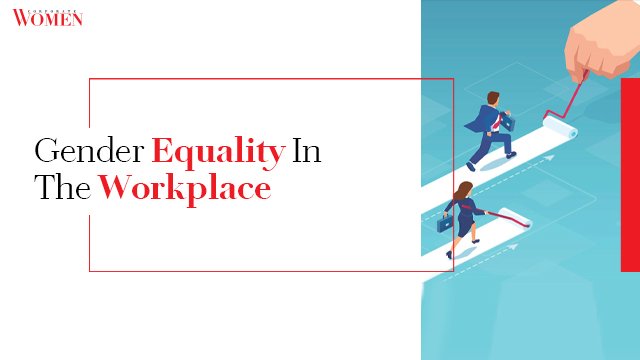
Shocking Statistics Of Women In Corporate

In 2017, women accounted for 47.6 per cent of the workforce in the United States but only held 24 per cent of corporate leadership positions, according to the Pew Research Center. This statistic indicates that women are underrepresented in corporate America.

There are many factors that contribute to the low percentage of women in corporate leadership positions. These include the gender pay gap, the prevalence of sexual harassment in the workplace, and a lack of affordable child care.

Despite the challenges, a number of women have been able to break through the glass ceiling and achieve success in corporate America. These women are an inspiration to others and provide hope that the number of women in corporate leadership positions will continue to grow.

1. The Statistics Of Women In Corporate

The statistics of women in corporate America are daunting. Only 5% of CEOs are women, and only 21% of executive officers are women. But these numbers don’t tell the whole story. The real story is that women are still fighting an uphill battle in the corporate world. They face discrimination and sexual harassment, and they’re often paid less than their male counterparts.

Despite all of these obstacles, women have made great strides in recent years. And as more and more women enter the corporate world, the landscape is slowly but surely changing. There’s still a long way to go, but the statistics of women in corporate America are slowly but surely improving. And as more women enter the workforce, we can only hope that the landscape will continue to change for the better.

2. The Percentage Of Women In Corporate

Despite progress in recent years, women are still underrepresented in corporate America. In 2019, women made up only 40.4% of all professional workers in the United States, according to the Bureau of Labor Statistics. And when it comes to top leadership positions, the numbers are even lower. Just 6.4% of Fortune 500 CEOs are women, and women hold just 21.2% of board seats at S&P 500 companies.

There is no single reason for this disparity, but there are a number of factors that contribute to it. Women face obstacles at every stage of their careers, from the wage gap to the “motherhood penalty” to a lack of mentors and role models. And while some companies have made progress in increasing gender diversity, there is still a long way to go.

3. The Importance Of Women In Corporate

In recent years, there has been a growing focus on the importance of women in corporate. This is due to the fact that women are often underrepresented in corporate settings, and their unique perspectives can be essential to the success of a business.

While there are many important factors to consider when running a business, the role of women should not be underestimated. Women bring a different perspective to the table and can offer insights that men may not be able to provide. Additionally, women are often more adept at multitasking and can provide a much-needed balance in a fast-paced corporate environment.

Given the many advantages that women can offer, it is clear that they are an essential part of any successful business. Companies that recognise this and make an effort to include women in their operations are more likely to be successful in the long run.

4. Corporate Policies To Attract And Retain Women Employees

Studies have shown that companies with policies that are attractive to women are more likely to retain their female employees. In order to create a corporate culture that is attractive to women, employers should consider implementing the following policies:

  • Flexible work hours
  • Remote working options
  • On-site childcare
  • Generous parental leave
  • Reduced travel
  • Mentorship and sponsorship programs

By offering these policies, companies can create a more inclusive environment for women and help to close the gender gap.

5. The Benefits Of Having A More Diverse Workforce

There are many benefits to having a more diverse workforce. A diverse workforce brings different perspectives and ideas, which can lead to new and innovative solutions. Also, a diverse workforce can help a company better understand and serve its customer base. Additionally, studies have shown that companies with a more diverse workforce tend to outperform their competitors.

So why is workforce diversity so important? There are many reasons, but ultimately it comes down to this: a more diverse workforce leads to a more successful company. If you want your business to thrive, you should strive to create a workforce that is diverse in many different ways.

Conclusion

In conclusion, the percentage of women in corporate America is slowly but steadily increasing. However, there is still room for improvement. Companies can help close the gender gap by investing in programs that support women in the workplace, such as mentorship programs and flexible work arrangements. To stay up-to-date on the latest news and research on gender equality in the workplace, subscribe to our newsletter.

Signs That You Are Respected At Work

The old adage goes, “You’ll know you’re respected when you see it in the way people treat you.” But what does that mean, exactly? Indeed, there are more explicit ways of gauging whether or not you have the esteem of your colleagues. 

Signs that you are respected at work are sometimes difficult to spot, but they are there. If you’re looking for ways to assess whether your team holds you in high regard, here are five telltale signs that you are respected at work.

What Are The Signs Of Being Respected At Work?

There are many signs that you are respected at work. One is that you are given tasks that are important to the company. Another is that you are consulted on decisions that affect your work. You may also find that you are invited to social events or given opportunities to lead projects. If you are respected at work, you will likely feel valued and appreciated by your colleagues.

The Benefits Of Being Respected At Work

There are many benefits to being respected at work. For one, it can lead to increased job satisfaction and motivation. When you feel respected by your colleagues, it can make you feel more engaged with your work and more invested in your company. Additionally, feeling respected at work can lead to better performance and increased productivity. Finally, a respectful workplace is a more positive environment overall, and this can lead to better working relationships and a more positive culture.

How To Gain Respect At Work

If you want to gain respect at work, there are a few things you can do:

  • Start by being punctual and reliable. Show up on time for work and meetings, and meet deadlines. This will show that you’re a responsible and dependable employee.
  • Be a good listener and communicator. Listen to others and communicate effectively to build relationships and trust.
  • Be a team player.
  • Work well with others and be willing to pitch in when needed. By following these tips, you can start to gain the respect of your coworkers and create a positive impression at work.

Conclusion

It can be difficult to tell if you are respected at work. Your colleagues may not always give you explicit feedback, but there are some signs you can look for that indicate whether or not your peers respect you. If you are constantly being passed over for promotions or being left out of key decisions, it may be a sign that you are not respected at work. If you feel like your colleagues are not listening to you or value your opinion, this may also be a sign that you are not respected at work. If you are respected at work, your colleagues will likely listen to you and value your opinion. They will also give you opportunities to grow and advance in your career.

Six Types Of Women’s Empowerment

Women’s empowerment has been a topic of discussion for many years. The concept of women’s empowerment is about giving women the power to make their own decisions and creating an environment where they can freely exercise their agency. There are many ways in which women can be empowered, but they can broadly be classified into five categories. 

The first type of empowerment is economic empowerment, which refers to the ability of women to participate in the economy and have control over their own finances. The second type is social empowerment, which deals with the ability of women to participate in social and cultural life. 

The third type is political empowerment, which gives women the power to participate in the political process and make their voices heard. The fourth type is legal empowerment, which ensures that women have equal rights under the law. The fifth and final type is educational empowerment, which gives women the opportunity to get an education and participate in the workforce.

Women’s Empowerment Through Social 

Despite great strides in gender equality, women worldwide still face many challenges. But there is hope. Women are increasingly using social media to empower themselves and others. Through online platforms, women share their stories, connect with like-minded people, and raise their voices on the issues that matter most to them.

Women’s empowerment through social media is helping to create an equal world. By using these platforms, women are claiming their power and making their voices heard.

Women’s Empowerment Through Economic 

Women’s empowerment through economic means has been a growing trend in recent years. More and more women are pursuing careers in business and finance, and they significantly impact the economy. Women are starting their own businesses, investing in stocks and real estate, and becoming more financially independent.

This trend is empowering women in many ways. It gives them greater control over their own lives and incomes. It is also helping to close the gender gap in the workplace. And it is making a positive impact on the economy as a whole.

Many factors are driving this trend, including advances in education and technology. But one of the most important factors is the increasing number of women pursuing careers in business and finance. This is empowering women in many ways and making a positive impact on the economy.

Women’s Empowerment Through Educational 

There is no doubt that education is a powerful tool for women’s empowerment. Women can make informed decisions about their lives, families, and futures when they are educated. They are also more likely to be employed and earn a higher income. Furthermore, educated women are more likely to be healthy and have healthy children.

Despite the clear benefits of education, many women worldwide do not have access to quality education. This is often due to poverty, conflict, or discrimination. But in recent years, there has been a growing effort to provide girls and women with access to education. And as more and more women receive an education, the world is becoming a better place for all.

Women’s Empowerment Through Psychological 

Psychological empowerment is a powerful tool for helping women succeed personally and professionally. When women feel empowered, they are more likely to take on leadership roles, start their businesses, and achieve their goals.

There are several ways to promote psychological empowerment among women. One way is through education and awareness-raising campaigns highlighting the importance of mental health and well-being. Another way is to provide women with opportunities to develop their skills and confidence through training and mentorship programs.

We can help create a more equal and just world by promoting psychological empowerment among women.

Women’s Empowerment Through Health 

Health is a fundamental human right and a key driver of development. Yet, worldwide, women and girls continue to face obstacles in achieving their full health potential. From disparity in access to quality healthcare to discrimination and violence, women and girls face unique challenges in achieving good health.

Women’s empowerment through health is essential for achieving gender equality and empowering women and girls to lead healthy and productive lives. Investing in women’s health is not only the right thing to do but also good for economies and societies. When women are healthy and empowered, they can participate fully in society and reach their full potential.

There are many different ways to empower women through health. One way is to provide access to quality healthcare. This includes access to sexual and reproductive health services, which are essential for women’s health and well-being. Investing in women’s health education and awareness is key to empowering them to make informed decisions about their health.

Violence, especially sexual violence, is a significant impediment to women’s health. In many parts of the world, women and girls face high levels of gender-based violence, which can negatively affect their health. To address this issue, it is essential to invest in prevention and response programs that help protect women and girls from violence. Additionally, it is necessary to create social norms that support Gender Equality and respect for all individuals.

Empowering women through health requires a multi-faceted approach that considers the unique needs of women and girls. By investing in women’s health, we can create a world where everyone has the opportunity to live a healthy and productive life.

Women’s Empowerment Through Media And Arts 

In recent years, there has been a growing movement to empower women through the media and arts. This movement has been driven by the belief that women have a unique perspective that needs to be heard. And while there has been progress made in this area, there is still much work to be done.

There are many ways to empower women through the media and arts. One way is to create more opportunities for women to be involved in the media and arts industries. This can be done by supporting women-owned businesses and promoting women artists. Another way is to create more opportunities for women to tell their stories. This can be done by creating more women-centred content and by amplifying the voices of women of colour.

No matter the approach, the goal is to empower women and give them a platform to express themselves. Doing so can create a more equitable and just world for all.

Conclusion

In conclusion, there are five main types of empowerment of women. They are economic empowerment, social empowerment, political empowerment, educational empowerment, and religious empowerment. Each of these types of empowerment can have a positive impact on the lives of women. To learn more about how to empower women, subscribe to our newsletter.

Strengthening Women Rights 

Women’s rights are the rights and entitlements claimed by women and girls worldwide. They formed the basis for the women’s rights movement in the late 19th century and the feminist movement during the 20th century. 

The United Nations General Assembly passed resolutions declaring gender equality a fundamental human right in 1948 and 1979. So, how do you strengthen women’s rights?

Eliminating all forms of discrimination against women is the first and most important step. This requires changes in laws, policies, and practices. But it also requires changing social attitudes and beliefs about the role of women in society. Education is critical to this process.

1. Women Have Made Great Strides In The Last Century, But There Is Still More Work To Be Done. 

Women have come a long way in the last century. We have secured the right to vote, own property, and work outside the home. We have made great strides in education and in the workplace. But there is still more work to be done.

There are still too many women who are victims of violence, who are paid less than their male counterparts, and who are denied basic rights and opportunities. We must continue to fight for equality, for ourselves and for future generations of women. Only then can we truly say that we have made progress.

2. Women Around The World Still Face Discrimination And Inequality. 

Women around the world still face discrimination and inequality. This is evident in the disparities between men and women in terms of education, economic opportunities, and political representation. In many countries, women are still not able to enjoy the same rights and freedoms as men.

Despite the progress that has been made in recent years, much work still needs to be done in order to achieve true gender equality. We must continue to fight for the rights of women and Girls around the world until discrimination and inequality are a thing of the past.

3. We Need To Continue To Fight For Women’s Rights. 

Women’s rights are under attack all over the world. In some countries, women are not allowed to leave the house without a man’s permission. In others, they are not allowed to work or own property. And in many places, women are not treated equally under the law.

This is unacceptable. We must continue fighting for women’s rights until all women are treated equally and given the same opportunities as men. We need to speak out against injustice and stand up for the rights of all women, no matter where they live. We need to continue to fight until we achieve equality for all.

4. We Need To Support Each Other And Stand Up For Each Other. 

When we see someone being mistreated, whether it’s in person or online, it’s important that we stand up for them. This can be difficult, especially if we’re not sure how to help or if we’re worried about retaliation. But it’s important to remember that we all deserve to be treated with respect.

If you see someone being bullied or harassed, there are a few things you can do to help:

  • Talk to the person who is being mistreated and let them know that you’re there for them.
  • Reach out to a trusted adult, like a parent, teacher, or counsellor, for help and support.
  • Report the mistreatment to a platform or service if it’s happening online.

5. We Need To Continue To Educate Ourselves And Others About Women’s Rights. 

The past few years have seen a resurgence in the fight for women’s rights. But even with all of the progress that has been made, there is still much work to be done. In order to achieve true equality, we must continue to educate ourselves and others about women’s rights.

There are a number of ways to do this. We can start by reading books and articles about the history of the women’s rights movement. We can also seek out films and documentaries that tell the stories of the brave women who have fought for our rights. And we can listen to podcasts and speeches by leading experts on the topic.

By educating ourselves and others about women’s rights, we can build on the progress that has been made and ensure that all women have the same opportunities and protections.

6. We Need To Be Strong And United!

In these dark and uncertain times, standing united is more important than ever. We must stand strong against the forces that seek to divide us and Show the world that we are a united people. We hope to overcome the challenges of these difficult times by working together.

So let us all join together as one people and face the future with hope and determination. We can overcome anything as long as we stay united.

Conclusion

In conclusion, to strengthen women’s rights, we need the support of both women and men. We must be active in our communities and use our voices to speak out against discrimination. We also need to support organisations working to improve the lives of women and girls worldwide. You can support these efforts by subscribing to our newsletter, following us on social media, and donating to our cause.

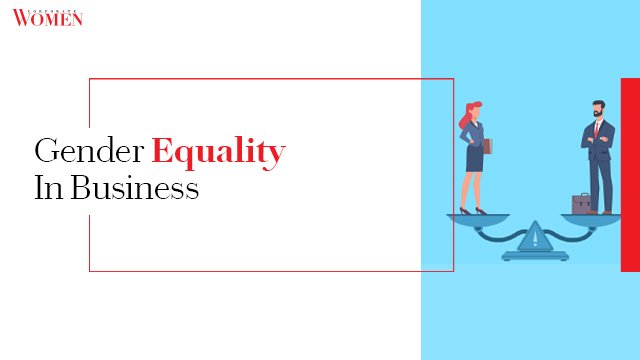
The Need For Gender Equality

There is no denying that we still have a long way to go when it comes to gender equality. We see it in the wage disparity between men and women, the lack of women in leadership positions, and the underrepresentation of women of colour and other marginalised groups.

The good news is that there is a growing awareness of these issues and a desire to do something about them. We are starting to see more and more companies taking steps to promote gender equality in the workplace.

So how do we promote gender equality? Read on to find out!

1. What is Gender Equality?

Gender equality aims to ensure that everyone has the same rights, opportunities, and responsibilities regardless of gender. It includes ensuring everyone has the same access to education, healthcare, work, and other fundamental rights and privileges. Gender equality is also about opening up opportunities for everyone, regardless of their gender, to participate fully in economic, social, and political life.

Gender equality is not only a human rights issue, but it is also essential for economic development. Everyone can benefit when women and men have the same opportunities to education, work, and participate in decision-making. Gender equality also creates more stable and fair societies, which are more likely to prosper.

Making progress towards gender equality requires action from everyone: men, women, girls, boys, government, businesses, and civil society.

2. The Importance of Achieving Gender Equality

Gender equality is not only a fundamental human right but a necessary foundation for a peaceful, prosperous and sustainable world.

Despite significant progress over the last few decades, women and girls continue to suffer from discrimination and violence in all parts of the world. They are paid less than men for doing the same job, less likely to be promoted to leadership positions, and more likely to be subjected to physical, sexual, and emotional abuse. This must change.

When women and girls are treated unfairly, it not only harms them – it also hurts families, communities, and economies.

3. The Consequences of Not Achieving Gender Equality

Despite the progress that has been made in recent years, gender inequality is still a very real problem in our world. This is not only unjust and unfair, but it can also lead to a number of negative consequences for both men and women.

For example, gender inequality can lead to a lack of opportunity for women. This can result in fewer women in leadership positions, leading to even more inequality. Additionally, gender inequality can also lead to an increased likelihood of violence against women. This is because women are often seen as being weaker and more vulnerable than men, which can make them seen as easy targets.

Gender inequality is a serious problem that needs to be addressed. We need to work towards a world where everyone is given the same opportunities, regardless of their gender. Only then can we hope to achieve true equality.

4. The Benefits of Achieving Gender Equality

Achieving gender equality is not only a moral imperative but also beneficial for businesses and economies. When women are able to participate fully in the workforce, businesses can tap into a larger pool of talent and skills. This, in turn, leads to increased productivity and innovation. Additionally, businesses that promote gender equality are more likely to attract and retain top talent.

From an economic perspective, gender equality is also beneficial. When women can participate fully in the workforce and earn incomes, they can spend more on goods and services, which boosts the economy. Additionally, gender equality can help reduce poverty and inequality, both of which are significant challenges facing the world today.

There are many reasons to strive for gender equality, both from a moral and economic perspective. Businesses and economies that promote gender equality are likely to be more successful.

5. How Can We Promote Gender Equality?

Gender equality is a goal that we should all strive for. Unfortunately, in many parts of the world, women are still not treated as equals to men. This needs to change if we are to create a more just and equal world.

There are many ways we can promote gender equality. For example, we can support women-owned businesses, campaign for better laws and policies that protect women’s rights, and work to end sexism and discrimination in all forms. We can also educate boys and girls about gender equality from a young age.

By taking these steps, we can move closer to achieving gender equality and creating a world that is fairer for everyone.

Conclusion

There are many ways to promote gender equality. Some ways include subscribing to news sources that discuss gender equality, following organisations that work for gender equality on social media, and donating to these organisations. Another way to promote gender equality is to have discussions about it with others. Talking about gender equality can also help raise awareness and encourage change.